Confidential property and portfolio discussions across the East MidlandsCall 07365 518843

Tired Landlord guide

Selling a tenanted property

An occupied property can be attractive to the right buyer because it may produce income from completion. It can also be more complicated because the buyer must understand the tenancy, rent, compliance records and practical management position.

Reviewed 2026-08-03General information, not legal or tax advice

The buyer is acquiring more than bricks and mortar

With a tenanted sale, the quality and clarity of the tenancy information can materially affect confidence, timing and value. A buyer will usually want to understand who occupies the property, the contractual rent, payment history, deposits, notices, maintenance obligations and any disputes.

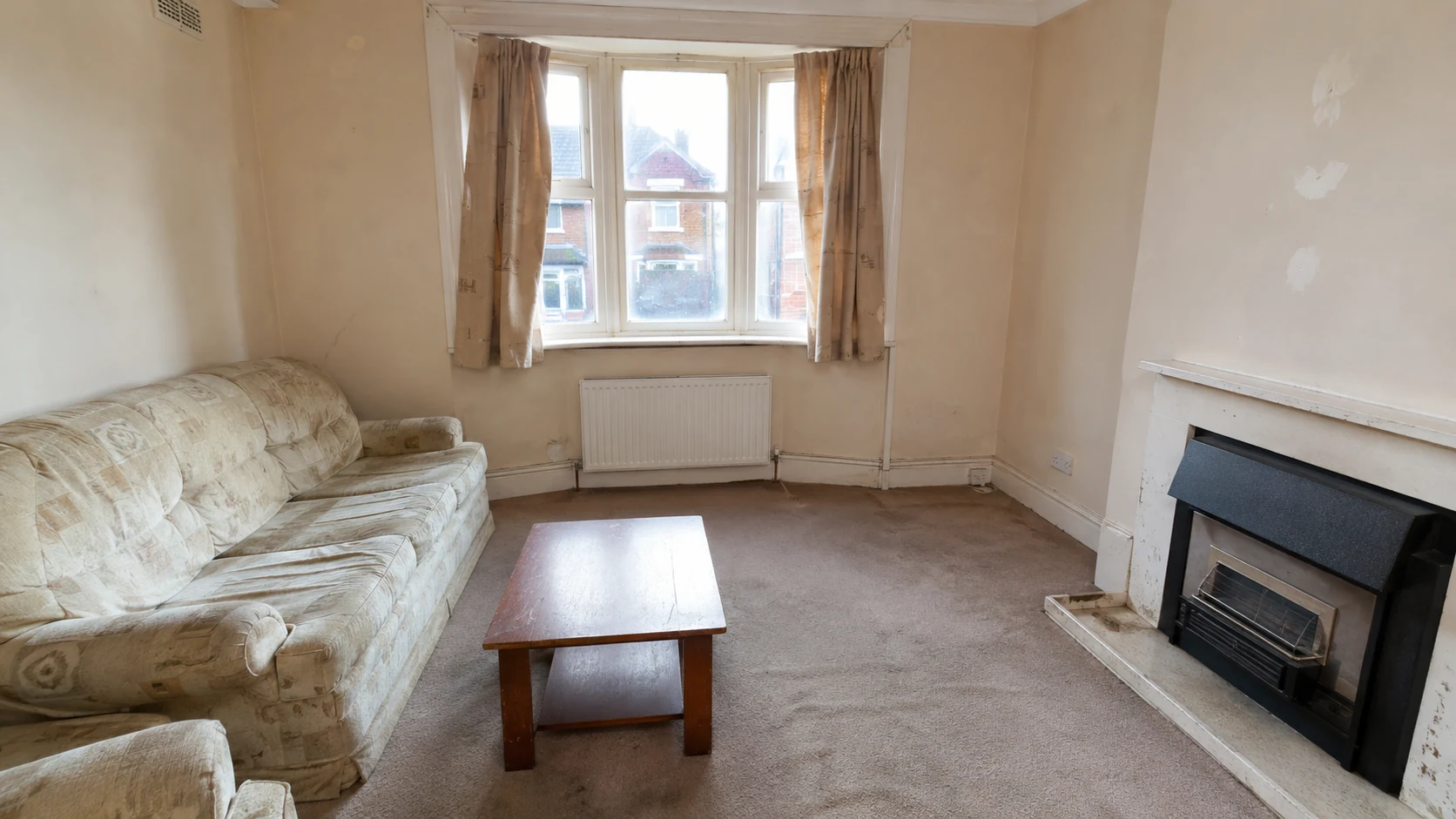
A bright, well-presented British home interior

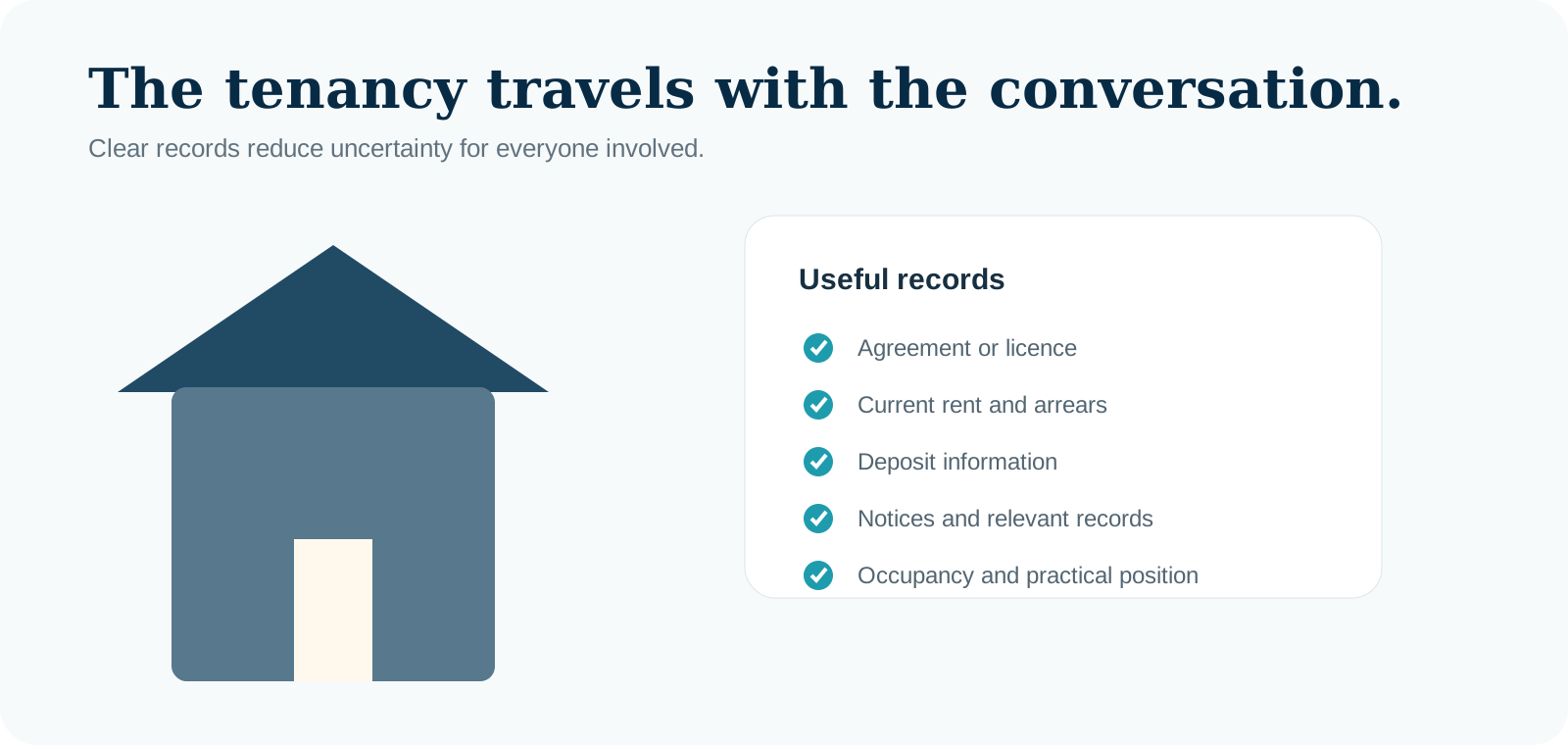
A practical information checklist

  • The tenancy agreement and any variations or renewals
  • Rent schedule, payment history and current arrears
  • Deposit protection information where applicable
  • Gas, electrical, EPC, licensing and other compliance records relevant to the property
  • Notices served or received and any ongoing proceedings
  • Repair history, current defects and planned works
  • Details of utilities, service charges, insurance and management arrangements

If some documents are unavailable, identify the gaps honestly. A clear explanation is more useful than an incomplete pack presented as complete.

Possible sale routes

Sale with the tenancy continuing

The buyer takes over the landlord position at completion, subject to the tenancy and legal transfer requirements.

Sale after obtaining vacant possession

This can broaden the buyer market but may increase time, cost and legal risk. Specialist landlord-and-tenant advice is essential before deciding on notices or proceedings.

Portfolio or block sale

Where several occupied units share management or title arrangements, packaging them together may be more practical than selling one at a time.

Avoid promises before due diligence

No responsible buyer can promise a firm price or completion date without reviewing title, tenancy documents, condition, finance and valuation. Early transparency usually reduces renegotiation and failed transactions later.

Common questions

Do tenants have to leave before a sale?

Not necessarily. A property can potentially be sold subject to an existing tenancy, although the legal transfer and the buyer’s requirements must be reviewed.

What if the tenant is in arrears?

Arrears do not automatically prevent a discussion, but the amount, payment history, tenancy documentation and any notices or proceedings need to be disclosed.

What if I cannot find the original tenancy agreement?

Explain what is missing and provide the records you do hold. The legal and commercial implications should be assessed before a formal proposal.

Can an HMO be sold with rooms occupied?

Potentially, but the licence, room agreements, occupancy, compliance records, management arrangements and property condition will be central to due diligence.

Discuss the actual property, not just the theory.

A basic property list, approximate value, rent, debt, occupancy and your preferred outcome are enough for an initial confidential review.

Tell us about your property