Whole portfolio or selected properties?
A full sale can provide a clean exit and remove the management burden in one process. A partial sale can release capital, reduce debt or remove the most demanding properties while preserving stronger assets. The best route depends on the portfolio structure and the owner’s objective, not only the headline valuation.

Build a portfolio schedule first
A concise schedule is the most useful starting point. It does not need to be a formal sales memorandum.
- Property address and title tenure
- Property type and number of units
- Occupancy, tenancy type and current rent
- Estimated value and secured debt
- Major repairs, licensing or compliance issues
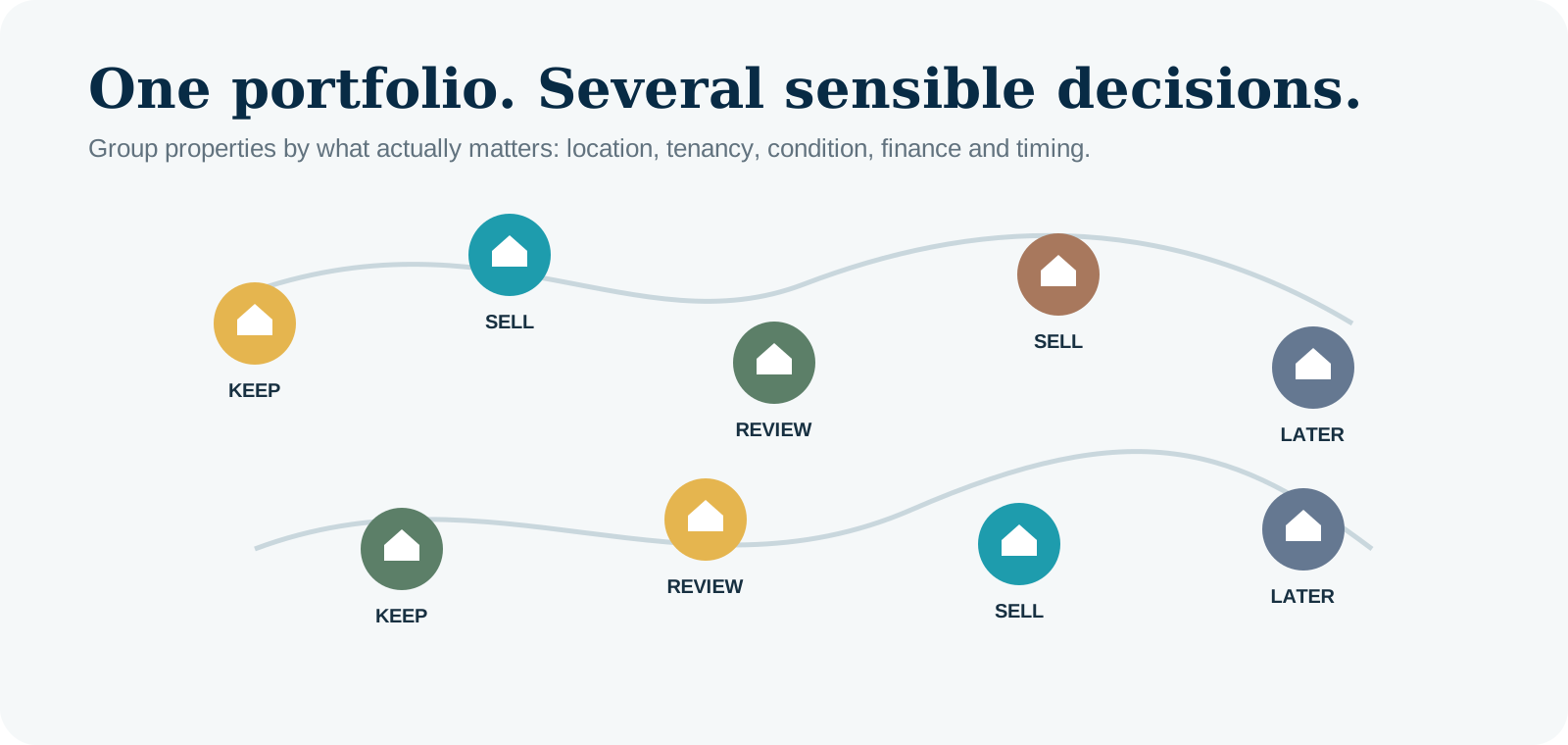
- Whether the property should be retained, sold now or considered later
Why mixed portfolios need a considered approach
Residential houses, HMOs, blocks, shops, storage, garages and land attract different buyers and funding. A single buyer may still be able to acquire the portfolio, but pricing, due diligence and completion conditions may need to reflect each asset class separately.
Legacy issues are also common in long-held portfolios: older tenancy records, under-rented units, informal arrangements, deferred works or cross-collateralised borrowing. These should be identified early rather than discovered near exchange.
Possible transaction structures
Single completion
All agreed assets complete together under a conventional purchase structure.
Phased completion
Properties complete in agreed groups, subject to funding, title and operational priorities.
Deferred consideration
Part of the consideration is paid later under a documented and secured arrangement, where suitable.
Lease and future purchase mechanism
Management responsibility may transfer under a lease while a separate option or purchase agreement sets out the future mechanism.
Funding and legal reality
A portfolio proposal remains conditional until the buyer has completed valuation, title, tenancy, condition and funding due diligence. Independent legal and tax advice is essential for both parties, particularly where assets are held in different names or entities.
Common questions
Can I sell only the difficult properties?
Potentially, although the commercial appeal, condition, tenancy position and debt attached to those assets will affect the available options.
Does every property need a current valuation?
Not for the initial discussion. Reasonable estimates can start the review, followed by formal valuations where the proposal progresses.
Can commercial units, storage or land be included?
Yes, these assets can be considered, but they may require different valuation, finance and legal work from residential properties.
Can completions happen in stages?
Potentially. A phased approach can be considered where it aligns with funding, title, tax and operational requirements.
Discuss the actual property, not just the theory.
A basic property list, approximate value, rent, debt, occupancy and your preferred outcome are enough for an initial confidential review.
Tell us about your property