Confidential property and portfolio discussions across the East MidlandsCall 07365 518843

Tired Landlord guide

Landlord retirement options

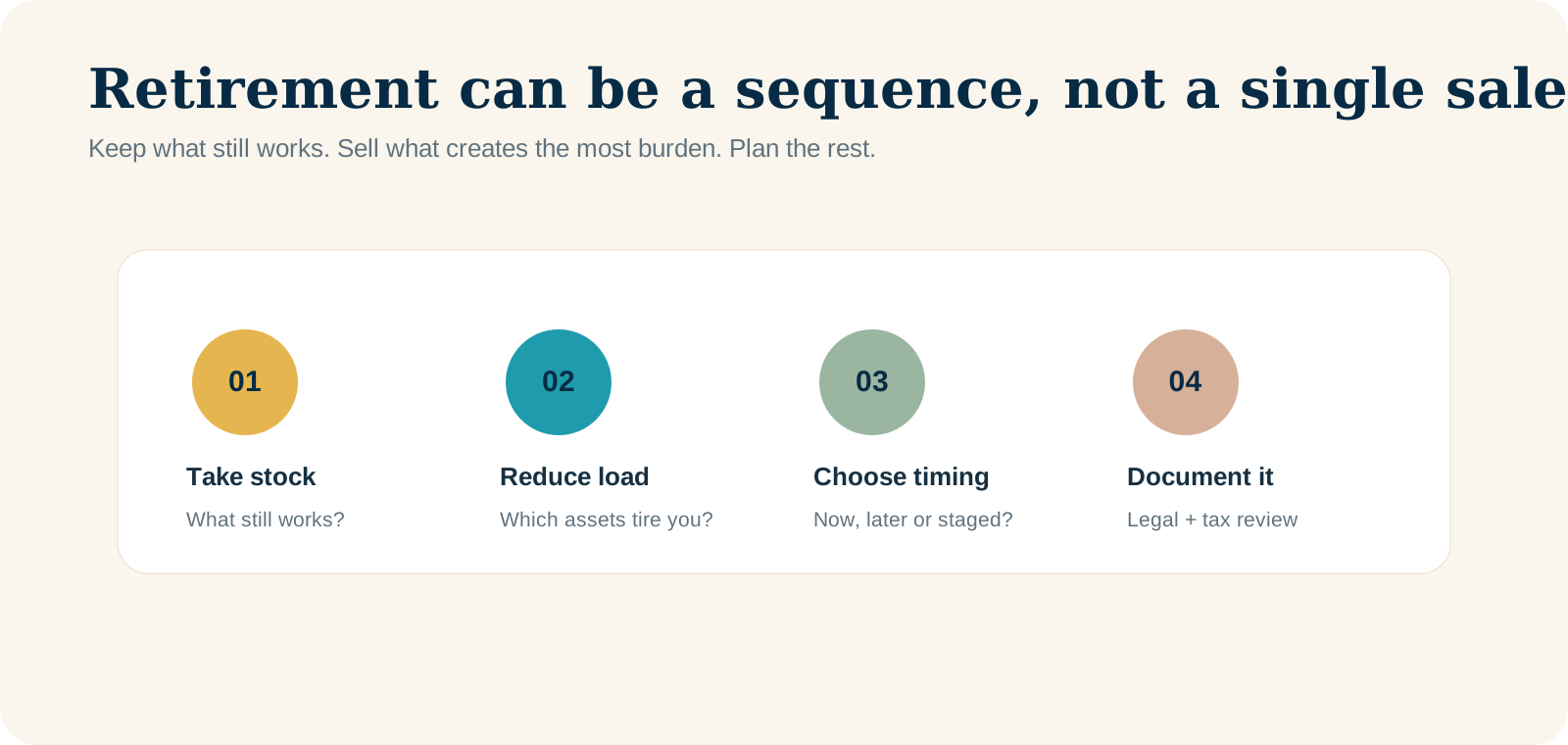
Retiring from property is rarely a single transaction. The right plan depends on which properties you want to keep, how quickly you want to step back, the tenancy position, finance and the income you may still want from the portfolio.

Reviewed 2026-08-03General information, not legal or tax advice

Start with the outcome you actually want

Some landlords want a clean sale and no further involvement. Others want to retain selected properties, continue receiving income or transfer the management burden before completing a later sale. Defining the outcome first prevents the transaction structure from driving the decision.

Useful first question: Is the priority maximum immediate cash, a predictable retirement income, reduced workload, certainty of completion, or a combination of these?
A quiet street of British terraced houses representing a long-held rental portfolio

Possible retirement routes

Sell the entire portfolio

A whole-portfolio sale can create a clean break, but it requires a buyer capable of assessing varied tenancies, values, debt and condition across several assets.

Sell part of the portfolio

A partial disposal can release capital while preserving the best-performing or least demanding properties. It may also allow the remaining portfolio to be refinanced or managed more easily.

Staged or deferred purchase

Where legally and commercially suitable, consideration can sometimes be paid over time under a properly secured agreement. The commercial return, security, default provisions, tax treatment and funding must be independently reviewed.

Lease now, buy later

A lease-and-option structure may transfer management responsibility now while setting a possible future purchase mechanism. It is not a shortcut around valuation, finance or legal due diligence.

Information that makes a retirement plan easier

  • A property and unit schedule with addresses and tenure
  • Current rents, arrears and occupancy
  • Mortgage balances and any other secured debt
  • Known repairs, compliance work and notices
  • Recent valuations, EPCs, leases and tenancy documents
  • Your preferred timetable and properties you may want to retain

Perfect records are not required for the first conversation. Missing information can be identified and gathered in stages.

Protecting your position

Every material proposal should be conditional on valuation, funding, title review, tenancy due diligence and suitable legal documents. Each party should use its own solicitor. Tax advice is particularly important where a disposal spans several tax years, involves connected companies or includes deferred consideration.

Common questions

Do I have to sell every property?

No. Selected assets, a geographic cluster or a defined part of the portfolio may be considered where that better suits your retirement plan.

Can I retire while keeping an income from property?

Potentially. Retaining selected properties, using professional management or considering a properly structured deferred transaction may preserve some income, but the risks, tax and security need independent advice.

Can occupied properties be included?

Potentially, yes. The tenancy type, rent, arrears, deposit and compliance position must be understood before any proposal can be assessed.

How early should I start planning?

The earlier the records, tenancy issues, repairs and finance are reviewed, the more choices are likely to remain available. A gradual plan can begin well before the intended retirement date.

Discuss the actual property, not just the theory.

A basic property list, approximate value, rent, debt, occupancy and your preferred outcome are enough for an initial confidential review.

Tell us about your property